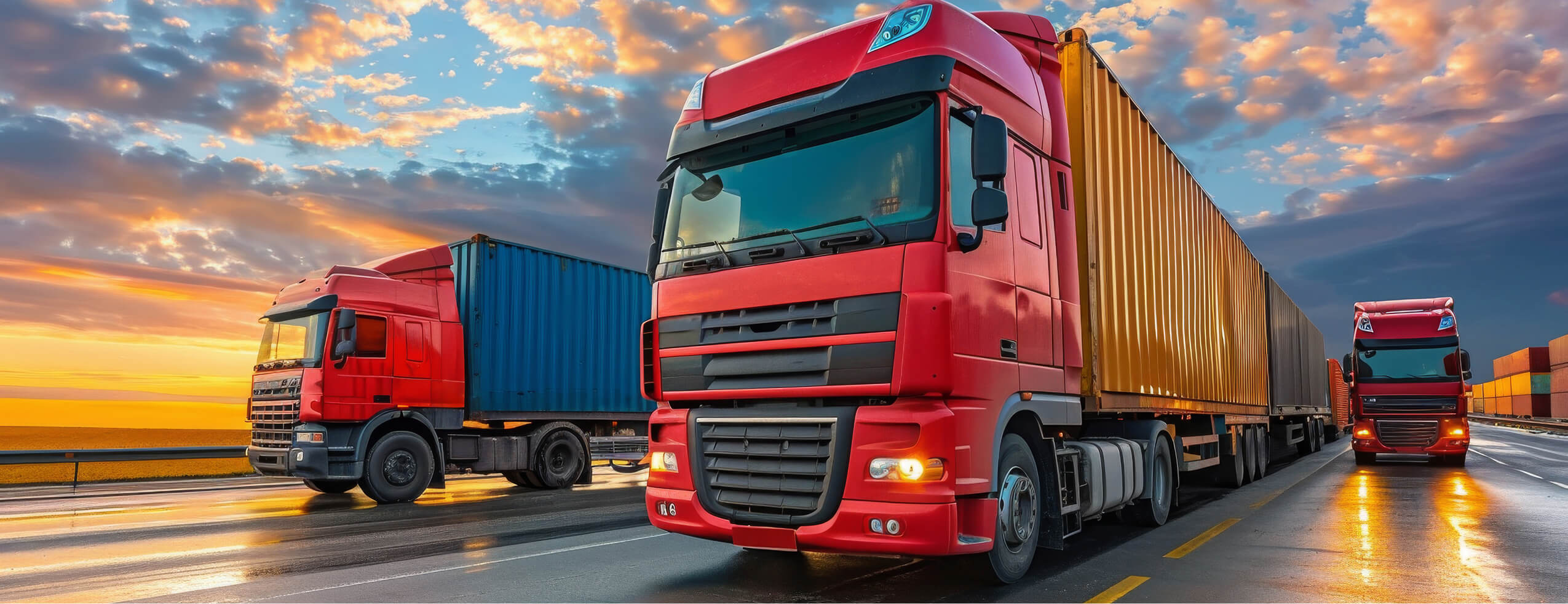
How Full Truck Load (FTL) Services Improve Efficiency for Growing Businesses

As businesses grow, efficient logistics becomes essential for smooth operations. Full Truck Load (FTL) services offer a smart solution by dedicating an entire truck to a single shipment, ensuring faster and more reliable delivery.

With FTL, goods are transported directly from origin to destination without multiple stops. This reduces transit time and minimizes handling, lowering the risk of damage. For businesses dealing with bulk orders or time-sensitive deliveries, this can significantly improve operational efficiency.

Another key advantage is cost optimization. While FTL may seem higher in cost initially, it becomes more economical for large shipments by reducing per-unit transportation expenses. It also helps businesses maintain better inventory control and meet delivery deadlines consistently.

In a competitive market, timely and safe delivery directly impacts customer satisfaction. By using FTL services, growing businesses can streamline their supply chain, improve reliability, and build stronger customer trust.

In short, FTL is not just a logistics option—it’s a strategic step towards faster growth and better efficiency.

Top 7 Challenges in Indian Logistics and How to Overcome Them

1. Infrastructure Gaps
Poor road conditions and limited connectivity can delay shipments.
Solution: Use optimized route planning and reliable transport partners.

2. High Transportation Costs
Fuel prices and inefficiencies increase overall expenses.
Solution: Adopt bulk shipping methods like FTL and optimize load capacity.

3. Lack of Real-Time Tracking
Limited visibility leads to uncertainty in deliveries.
Solution: Implement GPS tracking and logistics management software.

4. Regulatory Complexities
Different state regulations can slow down movement.
Solution: Stay updated with compliance and use experienced logistics providers.

5. Warehouse Inefficiency
Poor inventory management causes delays and losses.
Solution: Use automation and smart warehouse systems.

6. Last-Mile Delivery Issues
Urban congestion and remote locations make final delivery challenging.
Solution: Partner with local delivery networks and optimize routes.

7. Demand Fluctuations
Unpredictable demand affects supply chain planning.
Solution: Use data analytics for better forecasting and flexibility.

Conclusion
Overcoming these challenges requires smart planning, technology adoption, and the right logistics strategy. Businesses that adapt quickly can improve efficiency, reduce costs, and stay competitive.

Door-to-Door Delivery: What It Means and Why It Matters in 2026

In 2026, convenience and speed define customer expectations—and door-to-door delivery has become a key logistics solution for businesses. It refers to a service where goods are picked up from the sender’s location and delivered directly to the customer’s doorstep, without the need for intermediaries.

This model simplifies the entire shipping process. Businesses no longer need to manage multiple vendors or coordinate different stages of delivery. Everything is handled by a single logistics provider, saving time and reducing operational complexity.

One of the biggest advantages of door-to-door delivery is customer satisfaction. Faster deliveries, real-time tracking, and minimal handling ensure a smooth experience, which directly builds trust and loyalty. It also reduces the chances of delays or damage, making it ideal for both small businesses and large-scale operations.

In a highly competitive market, offering seamless delivery is no longer optional—it’s a necessity. Companies that adopt door-to-door logistics can improve efficiency, reduce costs, and stay ahead in the evolving supply chain landscape.

In short, door-to-door delivery is not just a service—it’s a strategic advantage in 2026.

Best Practices for Safe and Secure Freight Transportation

Ensuring safe and secure freight transportation is essential for businesses to protect their goods, maintain customer trust, and avoid financial losses. With increasing shipment volumes and complex supply chains, following the right practices can make a significant difference.

One of the most important steps is proper packaging. Using high-quality materials and secure sealing reduces the risk of damage during transit. Additionally, clearly labeling shipments helps in correct handling and minimizes errors.

Another key factor is choosing reliable logistics partners. Experienced transport providers follow safety protocols, maintain vehicles properly, and ensure timely deliveries. Implementing real-time tracking systems also adds an extra layer of security by allowing businesses to monitor shipments at every stage.

Businesses should also focus on route planning and risk management. Avoiding high-risk areas, planning efficient routes, and having contingency plans can prevent delays and theft. Training staff in handling procedures and maintaining documentation further strengthens security.

In today’s competitive environment, safe freight transportation is not just about delivery—it’s about building reliability and long-term customer confidence.

In short, adopting the right practices ensures smoother operations, reduced risks, and stronger business credibility.

Choosing the Right Transport Partner: Key Factors to Consider

Selecting the right transport partner is crucial for smooth and reliable business operations. A dependable logistics partner ensures timely deliveries, reduces risks, and improves overall efficiency.

One of the key factors to consider is reliability and experience. An experienced provider is more likely to handle shipments professionally and avoid delays. Service coverage is also important—make sure they can deliver to your required locations without complications.

Another major factor is technology and tracking. Transport partners offering real-time tracking give better visibility and control over shipments. Additionally, cost-effectiveness should be evaluated—not just the price, but the value and quality of service provided.

Lastly, check for customer support and flexibility. A responsive partner who can adapt to your business needs adds long-term value.

In short, the right transport partner can streamline your logistics, reduce stress, and support your business growth.